Contact Information
For immediate assistance, please contact Peter Roessmann, Media and Marketing Coordinator, at (303) 444-1188 x 221.
Current Press Releases:
- September 8, 2010: Western Resources Advocates (WRA) released its new report, “Fossil Foolishness: Utah’s Pursuit of Tar Sands and Oil Shale.” The report evaluates the impacts and wisdom of pursuing development of tar sands and oil shale in Utah. Based on the report findings, WRA cautions against extraction of tar sands and oil shale.

- September 2, 2010: WRA is issuing a media advisory about a pending press conference to unveil the upcoming report, "Fossil Foolishness: Utah's Pursuit of Tar Sands and Oil Shale." The telephone press conference will occur Wednesday, September 8th at 10am MST.
- August 2, 2010: The value to society for any potential fuel source can be measured in terms of how much energy is gained in exchange for the energy required to produce it. A study examining the energy returned on energy invested (EROI) of oil shale found it may not create more energy than it consumes. This low EROI calls into question theree is any merit to developing oil shale as a transporation fuel source, even if the technology to do so is ever perfected.
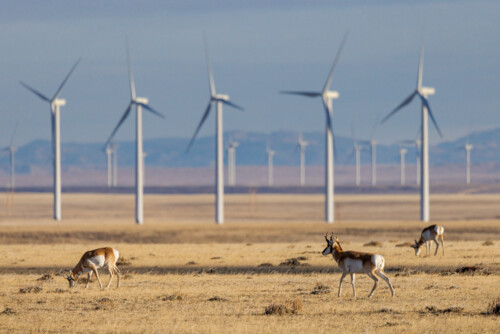
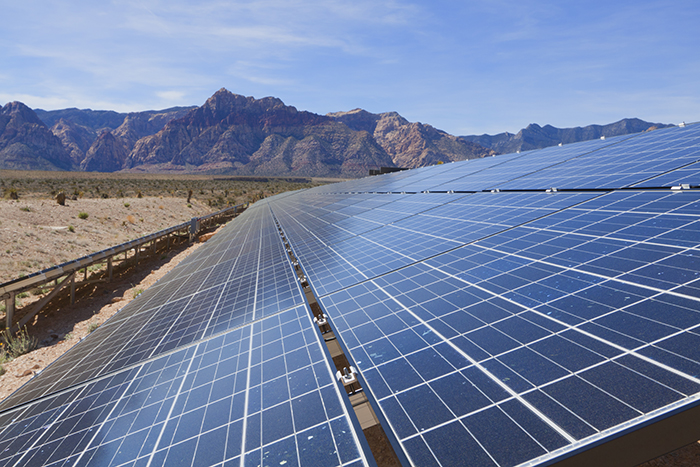
- July 12, 2010: Western Resource Advocates and Environmental Defense Fund released the report, "Protecting the Lifeline of the West: How Climate and Energy Policies Can Safeguard Water" providing evidence for federal legislators why passing effective climate change policy is also good water policy for the West. Transitioning to cleaner energy sources, like solar and wind, can use far less water that other tradional power generation sources, yielding possible new source of water supply for the parched West.
- June 23, 2010: As the Western Governors Association convenes for there annual meeting to discuss the future of clean energy in the West, among other issues, a group of pioneers have already demonstrated how clean energy can succeed in the West. A new publication tells the stories of these clean energy pioneers who are establishing a foundation for growth that the governors can build upon.
- June 8, 2010: The Wyoming Oil and Gas Commission voted unanimously to approve a new slate of regulations, including requirements for oil and gas drilling companies to disclose the chemicals they use in the process of hydrauluic fracturing. This is a very important move for protecting human health and environment because of incidences of exposure through contaminated groundwater, industrial accidents, and other spills.
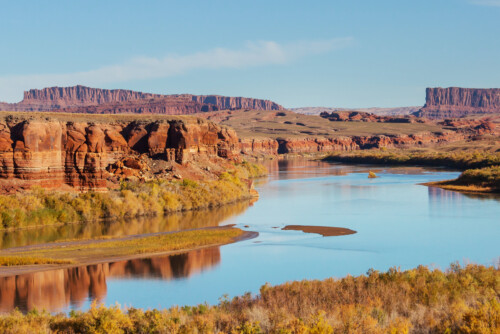
- June 3, 2010: Coordinated releases of reservoir water from across Colorado will help boost spring peak flows in the Colorado River, providing critical spawning flows for endangered fish, but also creating conditions that improve the health of the river and benefit the bountiful life found along its banks. A partnership of diverse interests, that includes WRA, is responsible for making these releases happen.
- May 24, 2010: Henry Red Cloud of Lakota Solar Enterprise manufactures and installs residential solar heaters, and he has established a school to train other tribe members to do the same, bringing much-needed heat and jobs to tribal lands. Henry's story is another in a series of Clean Energy Pioneers biographies of entrepreneurs who are advancing the cause of clean energy in the West.
- May 20, 2010: The Colorado Water Conservation Board declared its intention to appropriate water rights to protect two streams that are the lifeblood of the Dominguez Canyon Wilderness Area. WRA, along with the Wilderness Society and the Colorado Envirnmental Coaltion, expressed support for the Board's actions.
- May 17, 2010: The Department of the Interior finalized a series of sorely-needed onshore oil and gas leasing reforms. WRA issued a statement commending the changes as a return to credible federal stewardship of public lands and a correction of lacking federal oversight that contributed, in part, to the disasterous oil well blowout in the Gulf of Mexico.
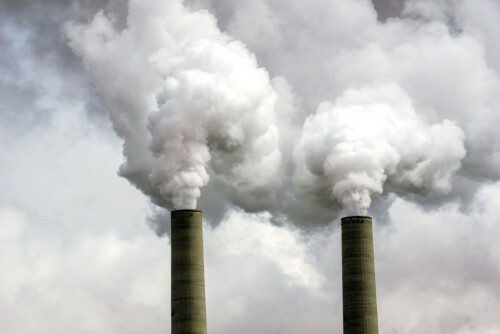
- April 19, 2010: Colorado Governor Bill Ritter signed into law the Clean Air-Clean Jobs Act, a measure designed to replace aging coal plants on Colorado's Front Range with cleaner options, including renewables. These outdated coal plants contribute to poor air quality in the region, creating a valid concern for public health.
- April 12, 2010: Denver Water, the largest water utility in the state of Colorado, reached across the Continental Divide to chose the new head of their organization. In selecting Jim Lochhead as their new leader, Denver Water brought a sense of balance to an agency that is one of the largest diverters of water out of the Colorado River Basin.
- April 6, 2010: Colorado Governor Bill Ritter petitioned the federal government to adopt a revised set of rules for Colorado's 4.2 million acres of roadless national forest lands. WRA President Karin P. Sheldon issued a statement suppporting the governors initiative to protect these land now as federal roadless rules have been languishing since 2001.
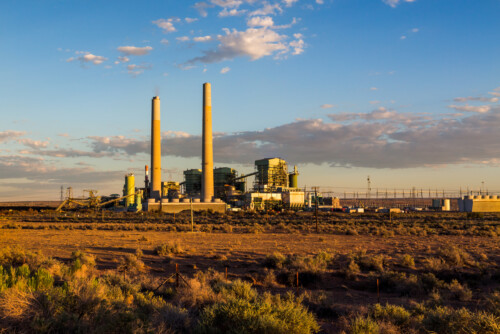
- March 22, 2010: Sithe Global Energy announced it is abandoning its plans to build the Toquop coal plant in Nevada, and will instead opt for using other, cleaner energy sources. The Toquop plant is the last of three Nevada coal plant proposals to succumb to the poor economics and risks of coal and turn to other options. This follows a national trend that has seen more than 125 proposals for coal-burning plants halted in their tracks as coal falls into disfavor with utilities.
- March 16, 2010: The Clean Air, Clean Jobs Act introduced in the Colorado Legislature will require Xcel Energy to dramatically reduce pollution from its aging Front Range coal-burning power plants by replacing or updating those units with cleaner sources of energy by the end of 2017. Xcel Energy is supportive of the bill that will reduce the amount of harmful pollutants such as particulates, nitrogen, ground-level ozone, haze, sulfur dioxide and mercury.
- February 23, 2010: Shell unexpectedly dropped its pursuit of a large water right on the Yampa River to be used for oil shale development. WRA, an opposer to the filing, issued a statement commending Shell for withdrawing their water right filing because oil shale development is inappropriate use of the West's precious lands, water, and clean air.
- February 22, 2010:In a letter to the U.S. Army Corps of Engineers, Western Resource Advocates reveals that water from Aaron Million’s proposed water pipeline project would be too expensive for its purported customers. The letter also asserts that there is no need for the project’s extremely costly water and that the Corps should end its review of the project. See a copy of WRA's letter to the Corps here.
- February 11, 2010: The BLM pulled three oil and gas lease parcels that had been unlawfully included in a federal lease sale. An appeal filed by WRA on behalf of western Colorado clients caused an appeals board to re-evaluate the circumstances under which the lease had been issued. These roadless parcels now remain unscarred.
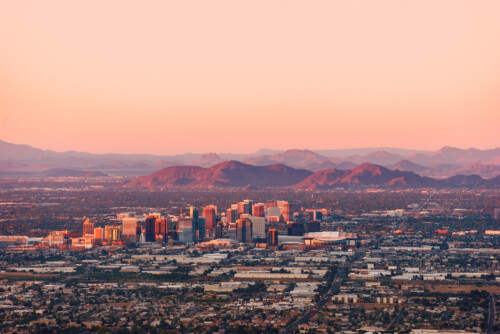
- January 7, 2010: WRA released the report "Phoenix Green: Designing a Community Tree Planting Program for Phoenix, Arizona," that outlines a plan for southwestern cities, such as Phoenix, to implement a coordinated tree planting effort as a means of reducing electricity consumption. Urban tree canopies have yet to catch up with the region's recent explosive growth, and unshaded dwellings become large consumers of electricity as the absorb heat and sunshine. Electrical utilities can find supporting such tree planting programs an effective tool for decreasing their peak energy demands.
- January 6, 2010: WRA released a statement regarding Colorado Governor Ritter's announcement to not seek re-election. Gov. Ritter has been a strong protector of Colorado's resources while seeking an innovative new energy economy for the state.
- December 18, 2009: In a Guest Commentary published in the Denver Post, WRA President Karin P. Sheldon and CU Scholar-in-Residence for Environmental Sciences Paul Komor wrote that oil shale's potential development would completely derail this nation's goals to reduce its climate-changing carbon emissions. Looking at the lessons learned from Canada's tar sands industry, oil shale would put the nation on a trajectory to sharply increase its CO2 emissions, in contrast to this nation's long-term best interests.
- December 9, 2009: Western Resource Advocates and Tri-State reached accord on electric resource planning. Under the new planning process, Tri-State will voluntarily supplement the information in its electric resource plan filings with the PUC and expand its public involvement process, beginning in 2010. The agreement comes after the Colorado PUC had initiated an investigatory docket to examine whether the rural electric coop should come under state regulations from which it's currently exempt.
- December 4, 2009: The Utah Supreme Court called the proposed Sevier Power Plant's air discharge permit "woefully inadequate," sending the permit back for re-evaluation. The Court said plant proponents, and the Utah agency charged with oversight of air permits, must do a better job of mitigating human health impacts with a revised permit application. This is a big win for WRA's Utah office that has been working hard to improve Utah's air quality
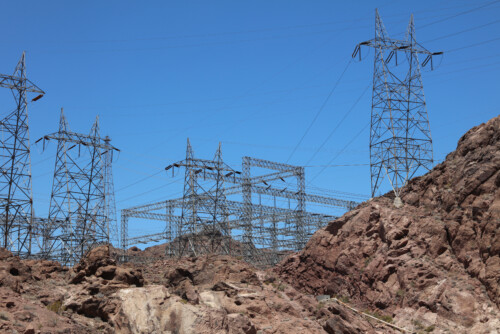
- November 17, 2009: Gary Graham has been named as the new Transmission Project Director at Western Resource Advocates. WRA's Transmission Project plays a leading role in encouraging proper siting of power lines to avoid important public land areas, such as wildlife habitat and national parks, and to link renewable energy sources to demand centers while advancing access to the grid for renewable energy.
- November 12, 2009: A parcel of more than 900 acres near the Black Mountain Roadless Area in the Routt National Forest in Colorado were pulled from a November BLM Oil and Gas lease sale after WRA filed a protest about its inclusion. The BLM agreed that the parcel had substantial natural resource values and that leasing could further fragment habitat and migration corridors for big game and several species of concern.
- October 20, 2009: Interior Secretary Salazar's proposal to reform Bush-era oil shale rules provides a welcome look at the cloud of cronyism and corruption that plagued the previous administration's handling of this potential resource. Questions remain, however, as to whether another round of federal research leases on public lands is appropriate at this point.
- October 20, 2009: Idaho is becoming a hot spot for geothermal energy. With 13 megawatts of developed geothermal power already providing electricty to 10,000 homes, yet more geothermal power remains to be put to use in areas such as Idaho's Raft River Valley near Boise. Clean energy, more jobs and less pollution make geothermal an extremely attractive resource for the Northwest.
- October 5, 2009: WRA's Water program released the "New House, New Paradigm" report, a case study of water-smart developments in the West. The rport found that new communities that successfully achieved significant water savings incorporated a water-smart ethic into the planning, building, and living phases of the process. The data in the report shows the steps necessary to achieve more sustainable water use as the West continues to grow. Read the report here.
- October 5, 2009: Greater Chaco Canyon, an area rich in archeological treasures, is no longer up for oil and gas drilling after WRA convinced the BLM that doing so would be extremely inappropriate. Over 10,000 acres were removed from a pending lease sale. The Native Puebloan dwellings in the region are listed as a World Heritage Site, pulling visitors to this remote area from all around the world.
- September 17, 2009: Nine parcels totaling nearly 13,000 acres were pulled off the oil and gas auction block in Colorado after WRA pointed out that these lands were federally protected as a National Heritage Area, contained essential habitat for wintering animals, or because they contained endangered species.